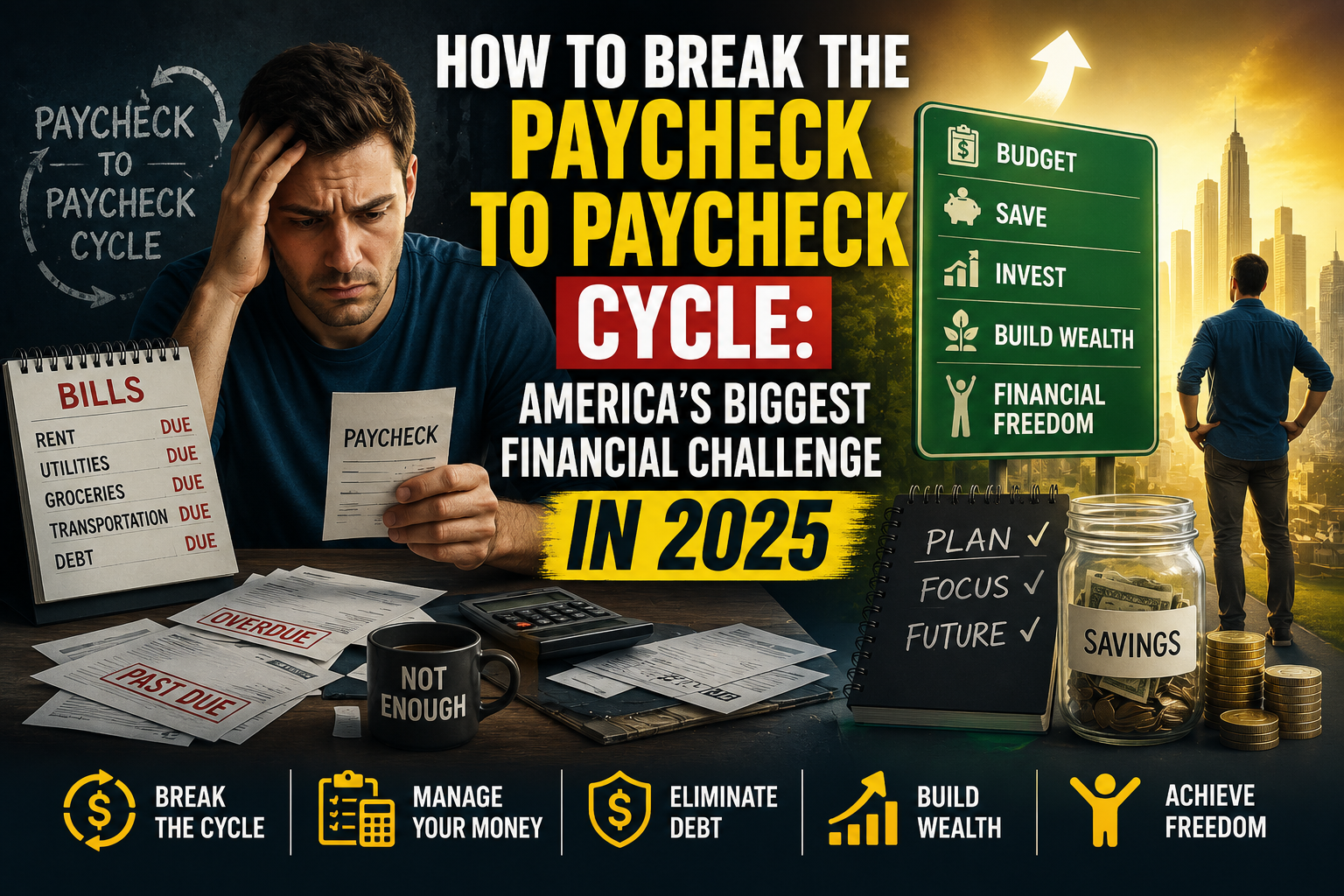
You swipe the card. You tell yourself it’s just this once. Maybe it was an emergency — a car repair, a medical bill, a rough month at work. Or maybe it started smaller than that: a dinner out here, a sale you couldn’t pass up there. Before you know it, you’re staring at a balance that seems impossible to pay off, and every month the minimum payment barely makes a dent.
Welcome to the credit card debt trap — and you are far from alone.
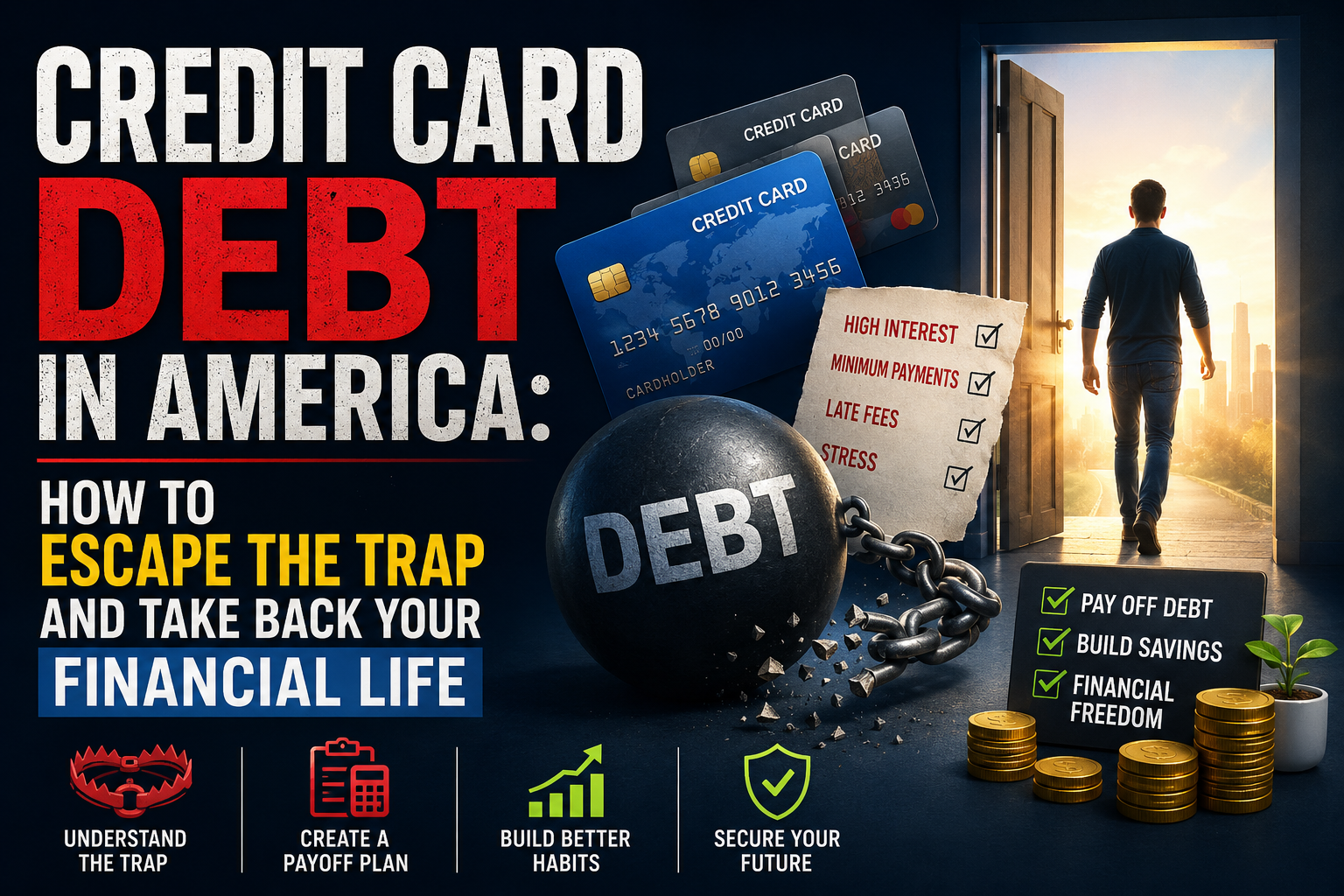
In 2025, total credit card debt in the United States crossed $1.233 trillion for the first time in history. The average American household carries nearly $10,000 in credit card debt, and with average interest rates sitting above 21% APR, that debt is growing faster than most people can pay it down.
But here’s what nobody tells you: credit card debt isn’t a character flaw. It’s a system designed to keep you paying — forever. Understanding how that system works is the first step to beating it.
This guide will show you exactly how to get out of credit card debt, stay out, and use that freed-up money to actually build wealth.
How the Credit Card Trap Is Designed to Keep You Stuck
Credit card companies are not your friends. They are businesses — incredibly profitable ones — and their revenue depends on you carrying a balance and paying interest month after month.
Here’s how the trap is engineered:
The Minimum Payment Illusion
Credit card companies set minimum payments deliberately low — usually 1–2% of your balance or a flat $25–$35. This feels manageable. But here’s the math that will shock you:
If you have $8,000 in credit card debt at 22% APR and you only make the minimum payment each month, it will take you over 25 years to pay it off — and you’ll pay more than $15,000 in interest alone. On an $8,000 balance.
That’s how minimum payments are designed: to extend your debt as long as possible while the bank collects interest.
The Rewards Trap
“Earn 2% cashback on every purchase!” Sounds great — until you’re paying 22% interest on a balance you couldn’t pay off. The math never works in your favor when you’re carrying a balance. Rewards are only a benefit for people who pay their full balance every month.
Buy Now, Pay Later — The New Trap
BNPL services like Afterpay, Klarna, and Affirm have exploded in popularity. They feel different from credit cards — friendlier, more modern. But they operate on the same principle: buy more than you can afford today and pay later. Miss a payment and fees kick in fast. Many BNPL users end up juggling multiple plans simultaneously, losing track of what they owe and to whom.
The Psychological Hook
Credit cards create psychological distance from spending. Handing over cash feels like a loss. Swiping a card doesn’t. Studies show people consistently spend 10–30% more when using a card versus cash. That’s not an accident — it’s neuroscience being exploited.
Step 1: Get the Full Picture — Know Exactly What You Owe
Most people in debt have a vague sense of what they owe. A number that feels big and uncomfortable but isn’t fully faced. That vagueness is part of what keeps people stuck.
The first thing you need to do is list every single debt you have. Create a simple table:
| Card/Lender | Balance | Interest Rate (APR) | Minimum Payment |
|---|---|---|---|
| Chase Sapphire | $4,200 | 24.99% | $84 |
| Capital One | $1,800 | 19.99% | $36 |
| Store Card | $650 | 29.99% | $25 |
| Discover | $3,100 | 22.99% | $62 |
Now you have clarity. Not a vague, anxious number — a real, specific list you can work with.
Total it up. Write that number down. It might be uncomfortable to look at. Look at it anyway. This is where your financial turnaround begins.
Step 2: Stop the Bleeding — Immediately
You cannot dig yourself out of a hole while someone keeps handing you a shovel.
Before you start paying down debt aggressively, you need to stop adding to it.
This means:
- Put the credit cards away. You don’t have to cut them up (that can hurt your credit score), but take them out of your wallet. Remove saved card numbers from online shopping sites. Make it friction-filled to use credit.
- Delete shopping apps that make impulse buying frictionless.
- Unsubscribe from retail emails. Every promotional email is a trigger designed to make you spend money you don’t have on things you don’t need.
- Switch to a cash or debit-only system for daily expenses like groceries, gas, and dining. When the cash runs out, spending stops.
This step sounds simple. It isn’t easy — especially if spending has become a habit or a coping mechanism. But it is non-negotiable. You cannot fill a bucket that has a hole in the bottom.
Step 3: Choose Your Debt Payoff Strategy
Once you’ve stopped adding new debt, it’s time to attack the existing balance. There are two proven methods — each with its own strength:
The Debt Avalanche: Maximum Efficiency
How it works: List your debts from highest to lowest interest rate. Make minimum payments on all of them — but throw every extra dollar at the highest-interest debt first. Once it’s paid off, move to the next highest, and so on.
The math: With the Avalanche method, you pay the least amount of interest over time. Mathematically, it’s the fastest and cheapest way out of debt.
The challenge: It requires patience. If your highest-interest card also has the biggest balance, it can feel like you’re making payments for months without seeing a card disappear. Some people lose motivation.
Best for: People who are motivated by numbers and logic, and can stay disciplined without quick emotional wins.
The Debt Snowball: Maximum Motivation
How it works: List your debts from smallest to largest balance, regardless of interest rate. Make minimums on everything, but pour every extra dollar into the smallest debt. When it’s gone, take that payment and add it to the next smallest. The payment “snowballs” as you go.
The psychology: Paying off a debt — even a small one — creates a powerful sense of accomplishment. That emotional win builds momentum. Research by Northwestern University found that people who used the Snowball method were significantly more likely to complete their debt payoff journey.
The math: You may pay slightly more in total interest compared to the Avalanche method.
Best for: People who need visible, tangible progress to stay motivated. Most people.
Which Should You Choose?
Both methods work. The best one is the one you will actually stick to. If you’re someone who thrives on data and efficiency — Avalanche. If you need the emotional momentum of crossing debts off your list — Snowball.
Some financial experts suggest a hybrid: use the Snowball to eliminate one or two small debts for a quick win, then switch to the Avalanche for the remaining larger, high-interest balances.
Step 4: Find Extra Money to Throw at Your Debt
The strategies above work — but they work faster when you have more money to throw at your debt. Here are the most effective ways to find that extra cash:
Lower Your Interest Rate
Before anything else, call your credit card companies and ask for a lower interest rate. Seriously. Many people don’t realize you can simply ask. If you’ve been a customer for a while and have a decent payment history, there’s a real chance they’ll say yes. Even dropping from 24% to 18% on a $5,000 balance saves hundreds of dollars.
Balance Transfer Cards
Many credit cards offer 0% APR introductory periods (typically 12–21 months) for balance transfers. If you qualify, you can move high-interest debt to a 0% card and pay it down without interest for over a year.
Caution: These cards usually charge a 3–5% transfer fee. And if you don’t pay off the balance before the promotional period ends, interest can kick in at a very high rate. This tool is powerful but requires discipline.
Personal Loans for Debt Consolidation
A debt consolidation loan rolls multiple credit card balances into a single personal loan — usually at a lower interest rate. Instead of juggling five credit card payments, you make one monthly payment at a fixed rate.
Pros: Simpler, often lower interest, fixed payoff timeline. Cons: Requires decent credit to qualify for a good rate. And if you don’t change the habits that created the debt, you may end up running the credit cards back up and now also having a loan.
Cut Expenses and Direct the Savings to Debt
Every dollar you free up in your budget is a dollar that can attack your debt:
- Cancel unused subscriptions
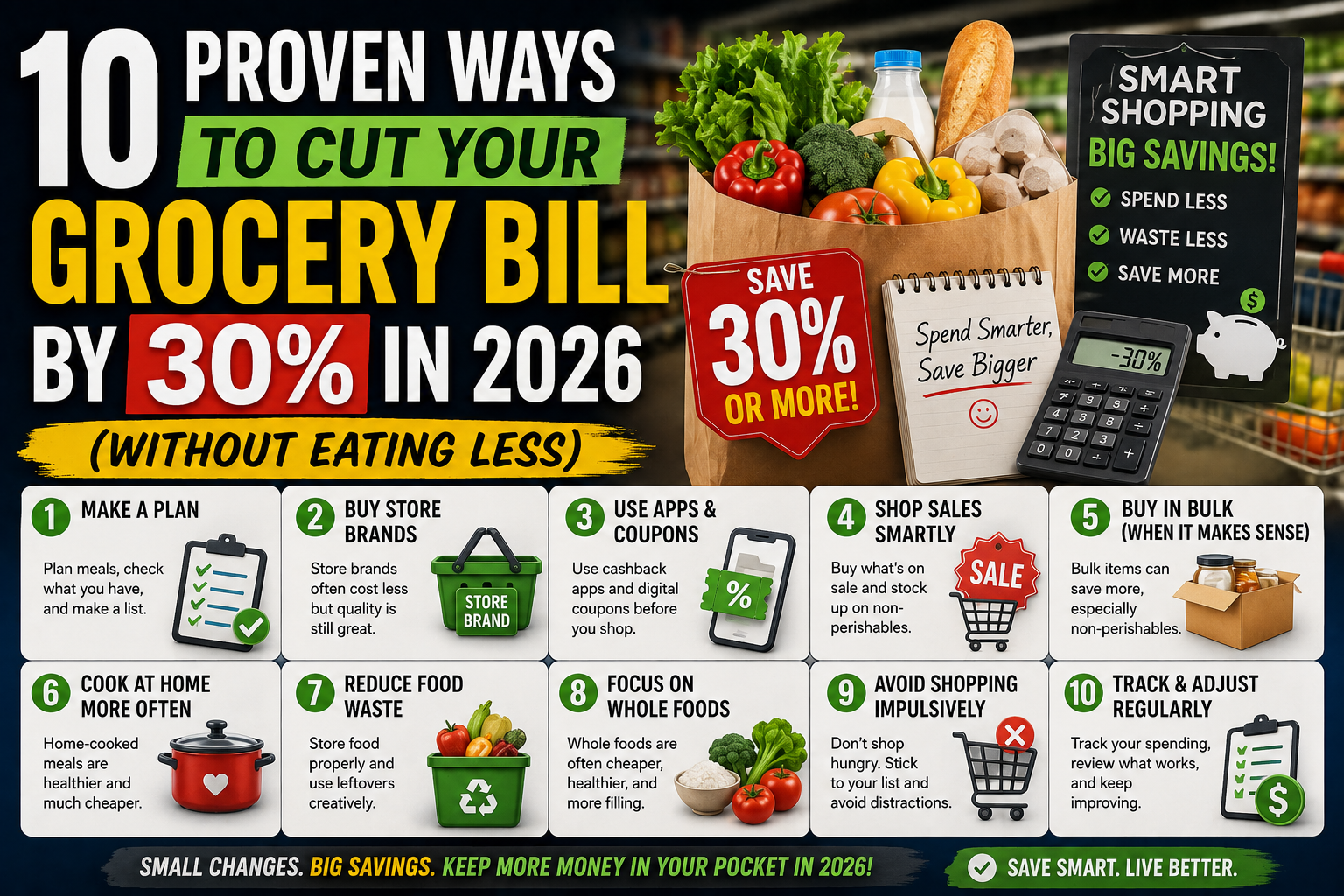
- Cook at home more
- Pause or reduce discretionary spending temporarily
- Renegotiate bills (phone, internet, insurance)
Even an extra $150/month thrown at a credit card balance can cut years off your payoff timeline.
Earn More and Apply It All
Side income is a debt-destroyer when used correctly. A weekend of DoorDash, a freelance project, selling items you no longer need — direct 100% of this extra income to debt payoff. Don’t let it get absorbed into everyday spending.
Step 5: Handle the Psychological Side of Debt
Debt is not just a financial problem. For millions of Americans, it’s an emotional one too.
Financial anxiety, shame around debt, using shopping as stress relief, avoiding looking at bank statements — these are incredibly common. And they keep people stuck far longer than the numbers alone would.
Here’s how to address the mental and emotional side:
Name the shame and release it. Debt does not make you a bad person. It makes you a person in a common situation. Shame keeps you from looking at your statements, making calls to creditors, and taking action. Releasing it — even partially — is liberating.
Separate your self-worth from your net worth. Your bank balance is not a reflection of your value as a human being. It’s a starting point. That’s all.
Find accountability. Tell a trusted friend, partner, or family member about your debt payoff goal. Join an online community (Reddit’s r/personalfinance and r/debtfree are full of real people on the same journey). Accountability dramatically increases follow-through.
Track your progress visually. Create a simple debt payoff tracker — a thermometer, a bar graph, a spreadsheet. Color it in as you pay down each debt. Watching the numbers shrink is deeply motivating.
Step 6: Protect Your Credit Score While Paying Off Debt
Many people worry that aggressively paying off debt will hurt their credit. Let’s clear this up.
Paying off debt will almost always help your credit score — not hurt it. Here’s why:
- Credit utilization (how much of your available credit you’re using) is one of the biggest factors in your FICO score. Paying down balances lowers your utilization and boosts your score.
- Payment history is the single biggest factor. Making on-time payments — even minimums on everything else while attacking one debt — protects your score.
What does hurt your score:
- Missing payments
- Closing old credit card accounts after paying them off (keep them open, just don’t use them)
- Opening multiple new credit accounts while paying off debt
Stay consistent with on-time payments and your credit score will likely improve steadily as your balances decrease.
Step 7: Never Go Back — Build the Habits That Keep You Debt-Free
Getting out of credit card debt is a major accomplishment. Staying out is the real goal.
Here’s how people end up back in debt after paying it off — and how to avoid it:
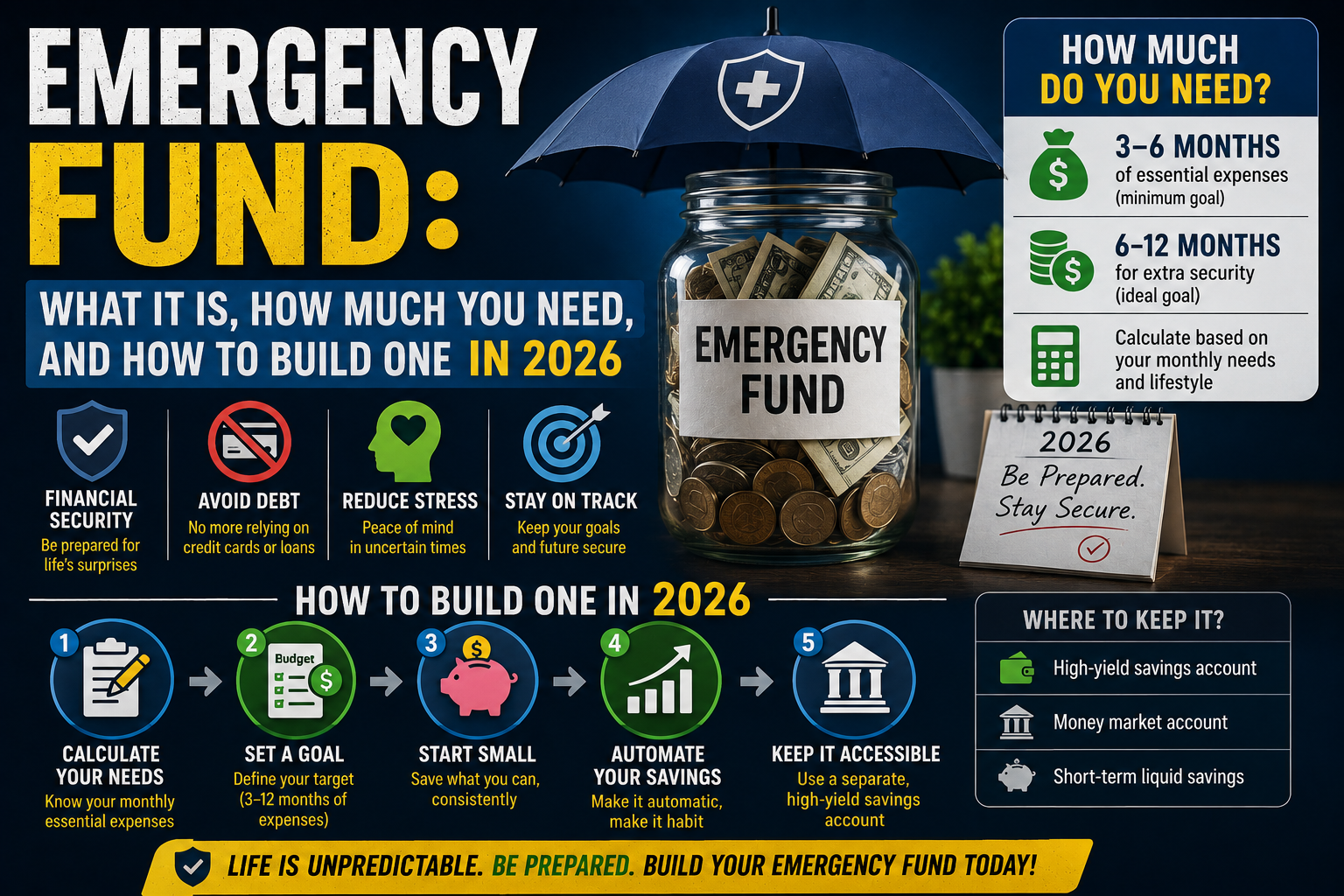
Build your emergency fund immediately. Once your credit card debt is paid, redirect that payment money into a savings account until you have 3–6 months of expenses saved. This is what prevents you from reaching for a card when life gets unpredictable.
Use credit cards like debit cards. Going forward, only charge what you can pay off in full when the statement comes. If you can’t pay it in full, don’t put it on the card.
Create a spending plan every month. Budgeting isn’t something you do once and forget. It’s a monthly practice. Knowing where every dollar is going removes the conditions that lead back to debt.
Give yourself a guilt-free spending category. Overly restrictive budgets lead to rebellion. Build in a “fun money” category — an amount you can spend on anything without guilt. This makes the budget sustainable long-term.
Real Story: Marcus Paid Off $22,000 in 19 Months
Marcus, 34, worked in IT in Atlanta. He had spread $22,000 across four credit cards — a combination of medical bills, a move, and a period of unemployment three years earlier.
He was making all his minimum payments — $440/month total — and watching his balances barely move.
Here’s what changed:
- He listed all four cards and their rates
- Chose the Debt Avalanche — his highest rate was 28.99% on a store card with $2,800 balance
- Called two credit card companies and got one rate reduced from 23.99% to 17.99%
- Cut his monthly dining out from $600 to $200
- Picked up freelance IT consulting on weekends — averaging $800–$1,200/month extra
- Directed everything above minimums to the highest-rate card
Results:
- Month 4: First card paid off
- Month 9: Second card paid off
- Month 19: All four cards — zero balance
Marcus paid off $22,000 in 19 months. He now puts that $440 (former minimum payments) plus his side income into a brokerage account. He hasn’t carried a credit card balance since.
His words: “The math wasn’t magic. I just finally had a plan instead of just a pile of debt.”
Your Debt Payoff Action Plan — Start This Week
You don’t need to do everything at once. Start here:
- ✅ List every credit card balance, rate, and minimum payment
- ✅ Call your highest-rate card and request a rate reduction
- ✅ Choose Snowball or Avalanche — commit to one
- ✅ Find $100–$200 extra this month (cancel subscriptions, skip dining out twice)
- ✅ Apply that extra money to your target debt this month
Five steps. This week. That’s it.
Final Thoughts: Debt Is Not the End of the Story
Credit card debt is heavy. It causes stress, strains relationships, and steals sleep. But it is not permanent. Thousands of Americans pay off massive amounts of debt every year — not because they got lucky, but because they got intentional.
The credit card industry is counting on you to feel overwhelmed, to keep making minimum payments, to stay stuck. Every dollar of interest you pay is profit for them.
Taking back control of your financial life starts with one decision: today is the day I stop letting debt write my story.
You have everything you need. Make the list. Make the call. Make the plan.
Your debt-free life is waiting.